OpenLink Recovery Group
Protecting Your Utility Infrastructure

About OpenLink Recovery
OpenLink Recovery Group Protects Your Facilities and Ensures Your Invested Dollars Are Recovered
You gain a long term partner who protects your infrastructure, your people, and your financial interests — all without adding burden to your internal teams. Utilities invest millions into building, maintaining, and protecting their infrastructure. Yet when damages occur, relocations are required, or locate accuracy slips, those invested dollars are often lost, untracked, or unrecovered. OpenLink Recovery Group was created to close that gap — not by chasing dollars, but by strengthening the entire damage prevention ecosystem.
Our approach is simple:
- Protect the facilities first.
- Support the people doing the work.
- Build a factual legal foundation for every claim.
When those pieces are in place, the dollars follow naturally.
Partnering with OpenLink Recovery Group gives utilities:
- Stronger facility protection
- Improved locate accuracy
- Better documentation
- Reduced damages
- Higher recovery rates
- Fewer disputes
- More confident teams
OpenLink - a partner who supports the entire process, not just the outcome.
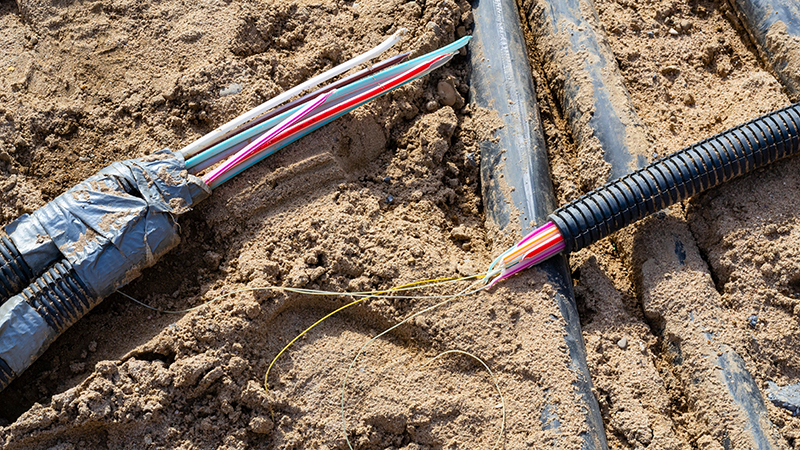
Damage Investigation and Recovery
We Recover Costs When Damages Happen
OpenLink’s recovery process is built on factual, defensible investigation — not assumptions. We gather:
- Ticket history
- Field evidence and police reports
- Timelines
- Photos
- Root cause analysis
- Statutory or contractual justification
Our team of experienced field investigators quickly gathers together everything needed for a solid case for recovery. This ensures that when a damage occurs, your invested repair dollars are tracked, documented, and recovered.
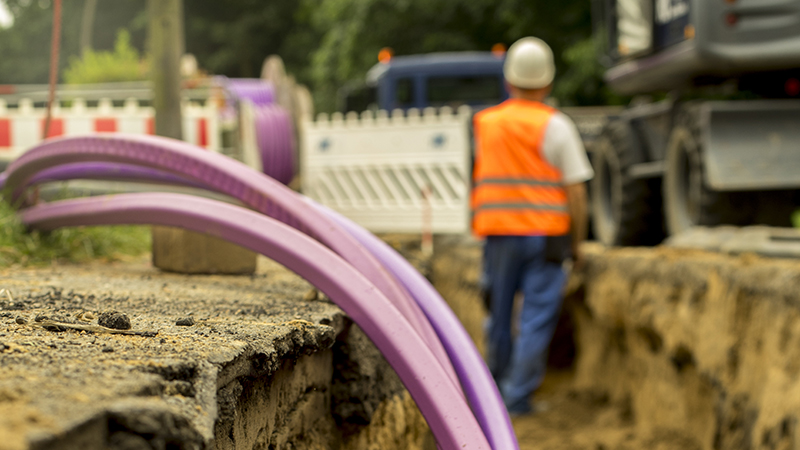
Damage Prevention
OpenLink Protects Your Facilities and Your Financial Interests
We start with Locate Accuracy. Accurate locating is the first line of defense for every utility. When locates are accurate, your facilities stay protected — and your future claims become far more defensible
We track and support Forced Relocation Facilities. Forced relocations are one of the most commonly missed recovery opportunities in the industry. OpenLink manages the entire lifecycle so your invested dollars don’t disappear into project complexity or administrative backlog.
We create support for Critical and High Profile Lines. High profile infrastructure — backbone fiber, 5G transport, data center feeds and municipal networks — requires elevated protection. This reduces the risk of catastrophic outages and strengthens your ability to recover costs when damages occur.
OpenLink Recovery Group is not a vendor chasing revenue. We are a partner focused on strengthening the entire damage prevention chain.
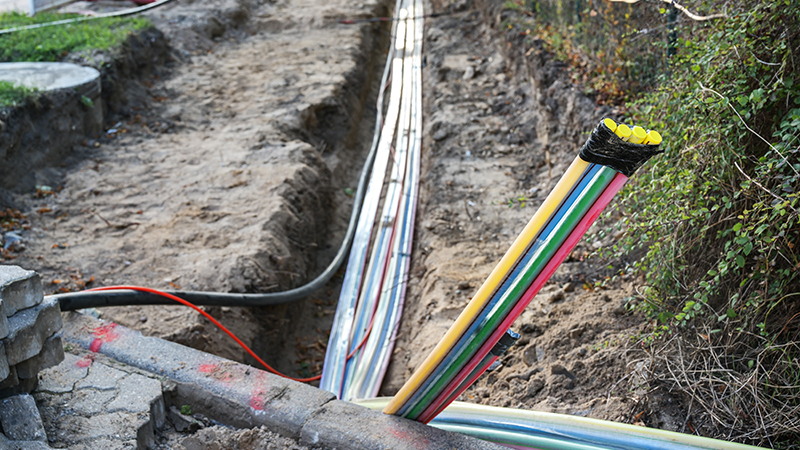
Forced Relocation Tracking and Recovery
Why Forced Relocation Costs Are So Often Lost
Complex rules and eligibility criteria make recovery difficult. Each jurisdiction has different statutes, ordinances and project-specific agreements governing when relocation is reimbursable. Internal teams often don’t have the time to interpret these nuances, leading to missed opportunities.
How OpenLink Recovery Group Solves These Problems?
Multiple stakeholders create confusion. Cities, DOTs, developers, engineering firms and contractors all play a role. Without a single point of coordination, communication breaks down and recovery falls through the cracks. Internal teams are focused on operations, not recovery. Utility staff prioritize keeping systems running. Forced relocation recovery becomes a secondary task — and secondary tasks rarely get completed with the level of detail required. Claims are often submitted too late, and many reimbursement programs have strict submission windows. Delays in gathering documentation or validating costs can result in forfeited recovery.
OpenLink takes ownership of the full lifecycle:
- Identifying eligible relocations
- Gathering all required documentation
- Coordinating with agencies and project owners
- Preparing and submitting reimbursement packages
- Tracking approvals and payments
- Escalating disputes when necessary
Your team stays focused on operations while we ensure no recoverable dollar is left behind.
We apply factual, defensible investigation methods
Because OpenLink specializes in damage investigations, locate audits and cost recovery, we bring a level of rigor that most internal teams simply don’t have time to apply. Every relocation claim is supported with:
- Installation history
- Field verification
- Photographic evidence
- Timeline reconstruction
- Cost validation
- Statutory or contractual justification
This eliminates the most common reason for denials: insufficient proof.
We understand the regulatory and legal landscape
Forced relocation recovery is governed by a mix of:
- State utility accommodation policies
- Municipal codes
- Franchise agreements
- Easement rights
- Project-specific contracts
OpenLink interprets these requirements and ensures each claim is aligned with the correct authority, increasing approval rates and reducing disputes.
OpenLink tracks every relocation event, every deadline, and every required document. This prevents:
- Missed submission windows
- Incomplete packages
- Lost communication
- Unclaimed reimbursements
Our process is built to capture every eligible dollar, not just the obvious ones.
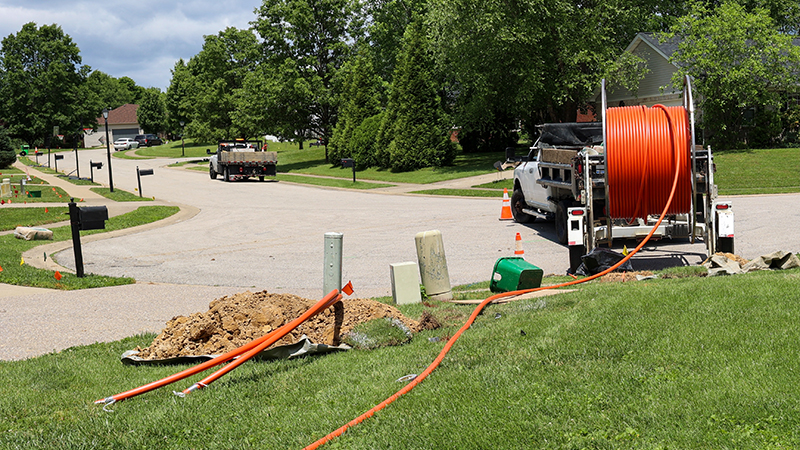
Locate Ticket Audits
Protecting Your Facilities, Ensuring Compliance, and Strengthening Damage Prevention
Accurate locating is the foundation of damage prevention. When locate performance slips — even slightly — utilities face increased risk of damages, regulatory exposure and unnecessary financial loss. Locate Ticket Audits give utilities the visibility and control they need to ensure their locating partner is meeting contractual obligations and protecting critical infrastructure. OpenLink Recovery Group provides independent, factual, and defensible locate audits that help utilities stay compliant, maintain accurate mapping and identify trends before they become costly problems.
Ensure Your Locate Vendor Is Meeting Contract Requirements
Most utilities rely on third party locating companies, but few have the time or resources to verify whether those locators are:
- Marking accurately
- Meeting response times
- Following contract specifications
- Documenting exceptions correctly
- Maintaining consistent quality across regions
Without audits, utilities are blind to performance gaps that can lead to damages, claims, and regulatory scrutiny.
How OpenLink Recovery Group Adds Value: Independent, factual, and defensible audits
OpenLink brings the same investigative consistency used in damage investigations and recovery work. Every audit is based on evidence — not assumptions — ensuring accuracy and credibility. We bring deep expertise in locating, mapping and claims.
Because we work across damage investigations, locate audits, and recovery, we understand how small errors in the locate process lead to major financial and operational impacts.
Full-service audit management
We handle everything:
- Ticket selection
- Field verification
- Documentation review
- Mapping Comparison
- Trend analysis
- Reporting and recommendations
Your team receives clear, actionable findings without the administrative burden.

Fiber Tagging for High Profile Infrastructure
Enhancing Accuracy, Reducing Risk and Strengthening Damage Prevention
High profile fiber infrastructure—long haul backbone routes, critical communications corridors, data center feeds, 5G transport lines, and municipal fiber networks—requires a higher level of protection than standard utility facilities. These assets carry enormous operational, financial, and public safety implications when damaged.
Fiber Tagging is one of the most effective, yet underutilized, tools for protecting these high value facilities. By physically identifying fiber routes in the field and aligning them with accurate mapping and locate practices, utilities and fiber owners dramatically reduce the risk of mis locates, service interruptions, and catastrophic outages.
OpenLink Recovery Group provides a structured, defensible Fiber Tagging program designed specifically for high profile infrastructure.
Why Fiber Tagging Matters
It Eliminates Ambiguity in the Field. Fiber routes often run through congested utility corridors, shared easements, and complex rights of way. Without clear physical identification, locators and contractors must rely solely on maps—which may be outdated, incomplete, or inconsistent.
Fiber tagging provides:
- Visible, physical confirmation of fiber presence
- Clear identification of ownership
- Accurate reference points for locators and excavators
- Reduced reliance on assumptions or outdated records
This clarity prevents mis -locates and reduces the likelihood of accidental exposure or damage.

Critical Line Reporting
We Create Support for Critical and High Profile Lines
High profile infrastructure — backbone fiber, 5G transport, data center feeds, and municipal networks — requires elevated protection. OpenLink provides:
- Fiber tagging
- Field verification
- Mapping validation
- Critical line documentation
- Enhanced awareness for contractors and locators
This reduces the risk of catastrophic outages and strengthens your ability to recover costs when damages occur.
Protects High Value, High Risk Assets
A single fiber strike can cost:
- Hundreds of thousands in repair
- Millions in business interruption
- Regulatory penalties
- Reputational damage
- Emergency restoration mobilization
Tagging ensures these critical assets are unmistakably identified, reducing the risk of outages that impact hospitals, 911 centers, financial institutions, data centers, and major communication networks. This is especially important for older networks, acquired systems, or routes built before modern GIS standards.
Reduces Claims, Disputes, and Liability
When fiber is clearly tagged:
- Responsibility is easier to determine
- Disputes over ownership or facility type decrease
- Claims investigations become faster and more accurate
- Utilities can defend their position with physical evidence
Tagging creates a defensible record that supports both damage prevention and recovery efforts.
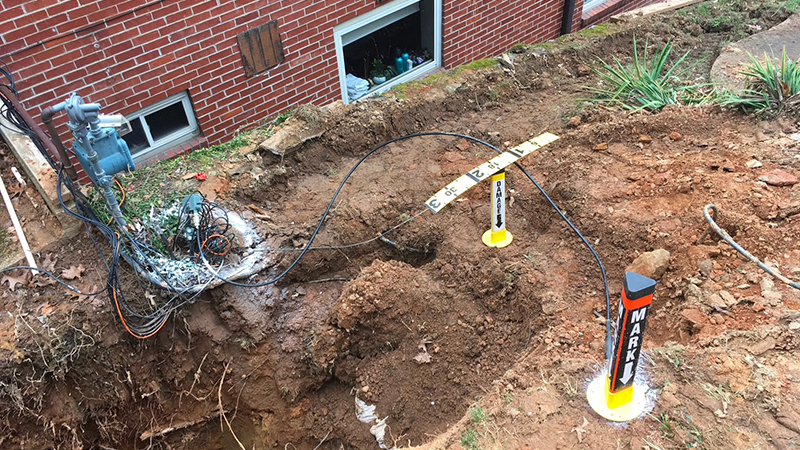
DIRT Reporting
Represent the Utility Industry Standard with CGA
Damage Information Reporting Tool (DIRT) reporting is the standardized method used across the United States and Canada to collect, analyze, and share data about underground utility damages and near miss events. It is managed by the Common Ground Alliance (CGA) and serves as the industry’s primary source of damage prevention intelligence.
DIRT reporting helps utility owners, excavators, locators, municipalities, and damage investigation firms identify trends, reduce risk, and improve excavation safety.
Purpose of DIRT Reporting
- Identify root causes of utility damages and near misses.
- Track national and regional trends in excavation safety.
- Support data driven decision making for damage prevention programs.
- Improve training and standards for excavators, locators, and utility owners.
- Provide transparency across the damage prevention industry.
Who Submits DIRT Reports
- Utility owners and operators
- Contract locating companies
- Excavators and contractors
- Municipalities and public works departments
- Damage investigation and claims recovery firms
- One call centers
DIRT reporting is a cornerstone of modern damage prevention. By capturing consistent, factual, and detailed information about utility damages and near misses, organizations can help protect all types of utility infrastructure. As your partner in protecting your infrastructure, OpenLink's prevention, investigation and recovery systems are built to seemlessy work with DIRT reporting.